Safe House Intake Process
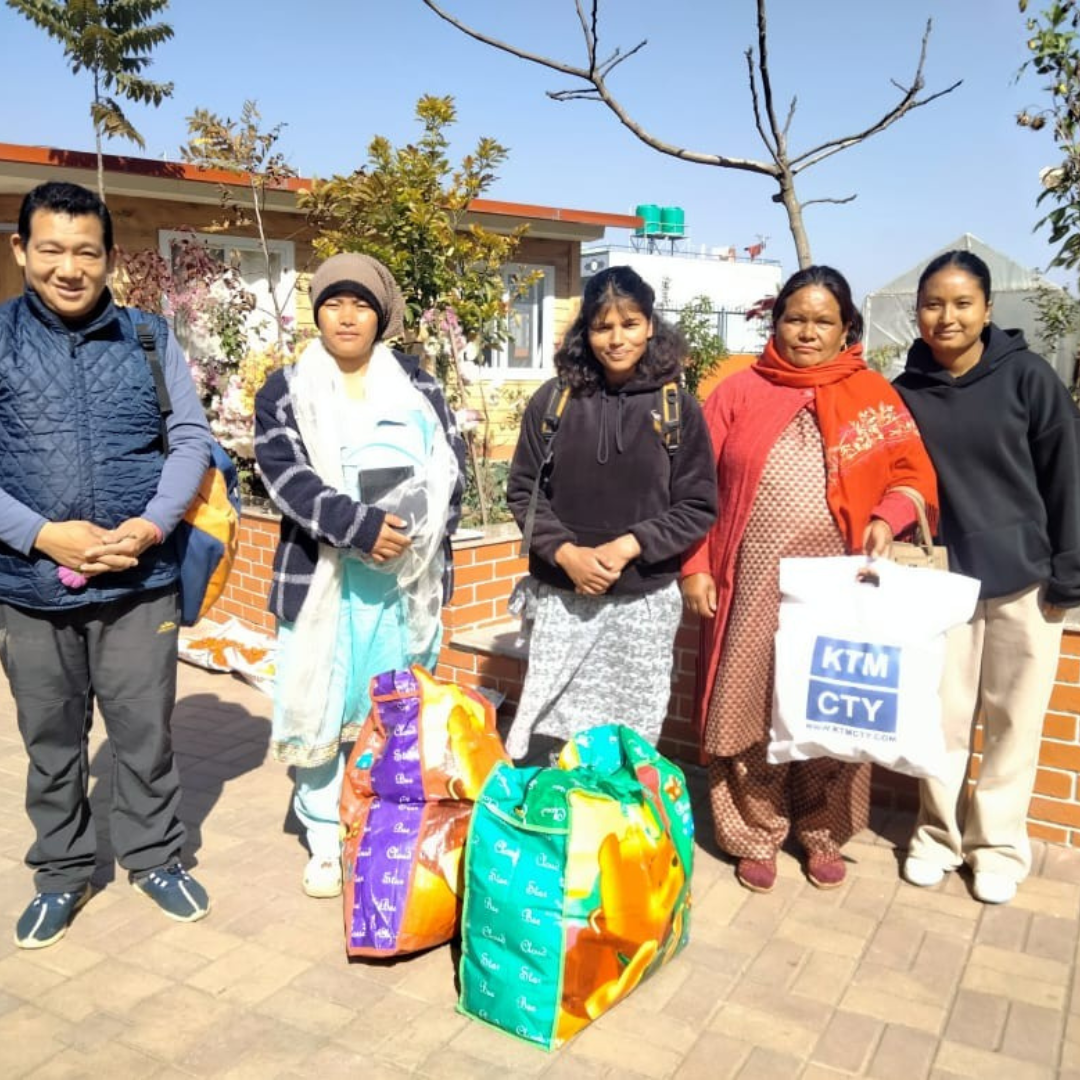
Girls arrive at the safe house through several referral pathways. Rural leaders who attend awareness programs are encouraged to identify those most vulnerable to trafficking. Local police refer girls who have been removed from harmful situations. Border patrol volunteers speak with women who appear nervous or confused as they cross and direct those at risk to the program. A partnering maternity home also refers young mothers who are ready to transition into skills training after giving birth.
Upon arrival, each girl is introduced to the program and chooses a vocational track—beauty parlor training or tailoring. Staff orient the girls to the home’s routines, including behavioral expectations, daily schedules, weekly chore rotations, and the no–cell phone policy. Regular phone calls home are provided, and parents are encouraged to support their daughters in completing the program.
Once applications are submitted and the girls arrive—typically accompanied by a parent, pastor, or staff member from the referring organization—they receive medical screening, blood typing, and HIV testing. The home also initiates the citizenship documentation process, which is not automatically granted at birth. Completing this paperwork ensures that, upon graduation, the girls are eligible to receive government‑certified credentials. The girls also take part in counseling sessions designed to support their transition and help them process any trauma they may have experienced.